

I’m lucky to have a few of these kinds of friends. you k ow who you are and I love you.

I’m lucky to have a few of these kinds of friends. you k ow who you are and I love you.

Don’t buy these.
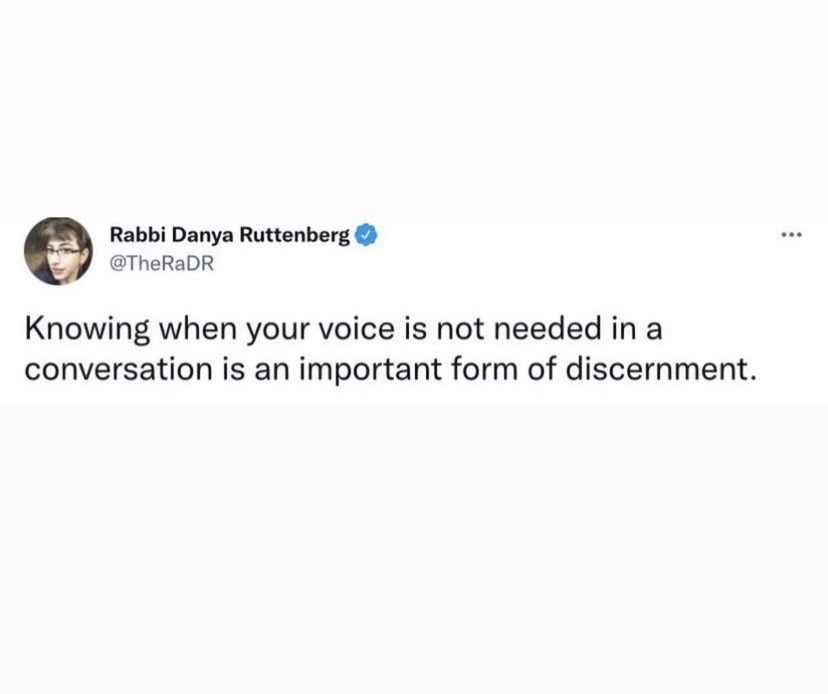

This right here.
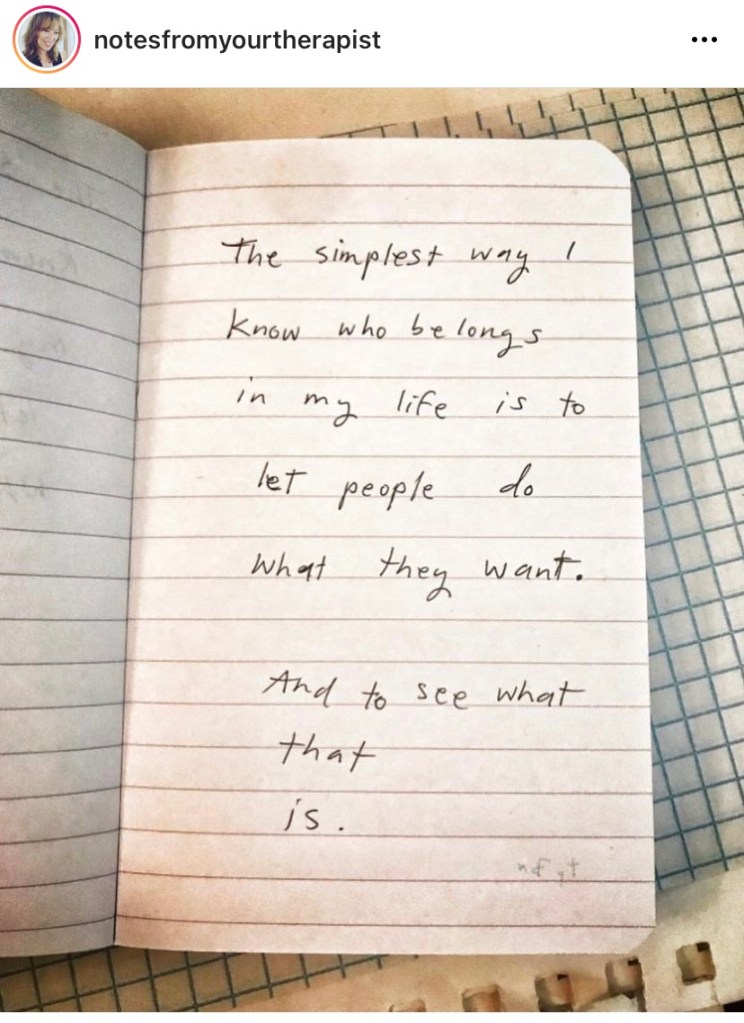
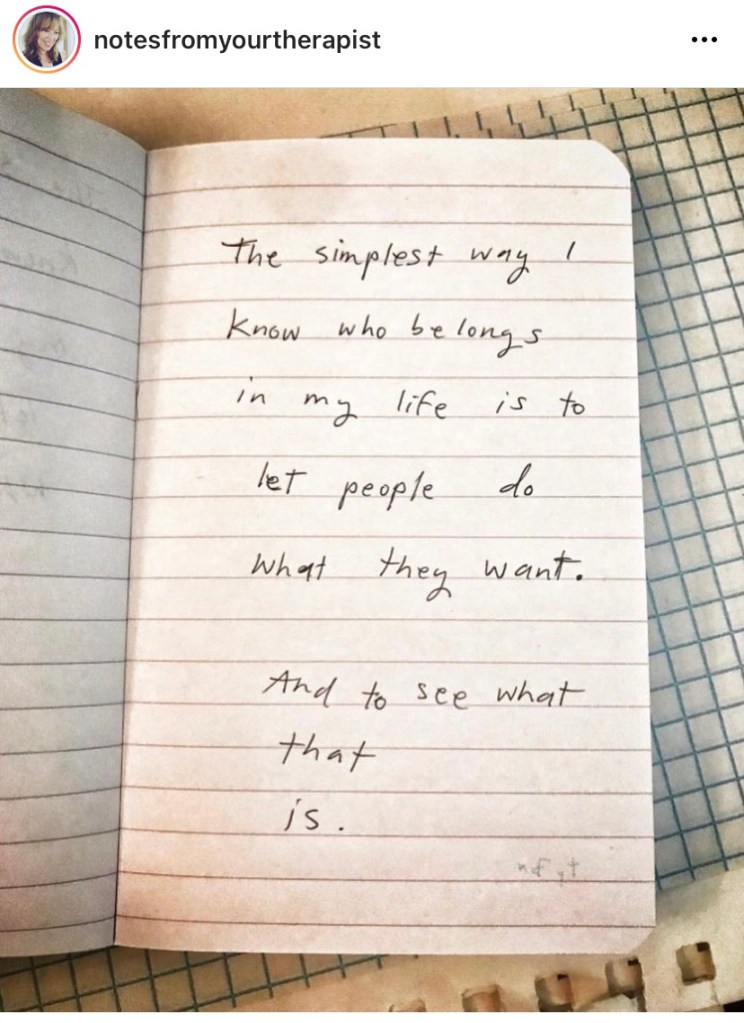
This might be a series, who knows?

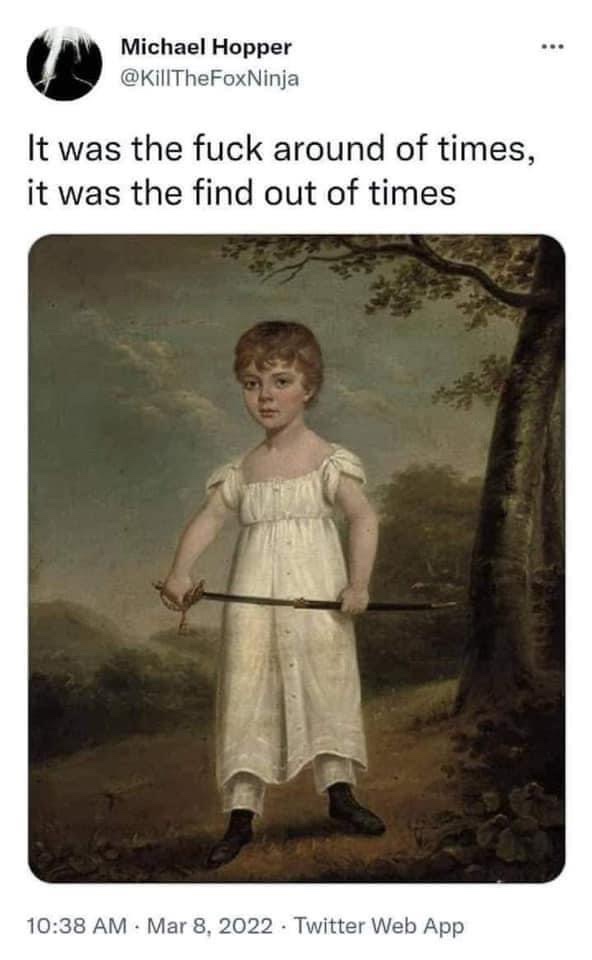
Recently and my entire life, someone close to me has fucked around. Yesterday they found out. I’m at a point in my life where I refuse to accept being treated less than. Less than a person. Less than I am. Less than what I deserve. Now they know and I decided to walk away. My boundaries are my boundaries and as a therapist I saw in a video says, it’s not about people overstepping your boundaries, it’s up to you to not accept that. I set boundaries in the fall and they were not respected. I let it go and reminded that person of my boundaries. Now I know it’s on me to not accept it. And I do not. They found out.

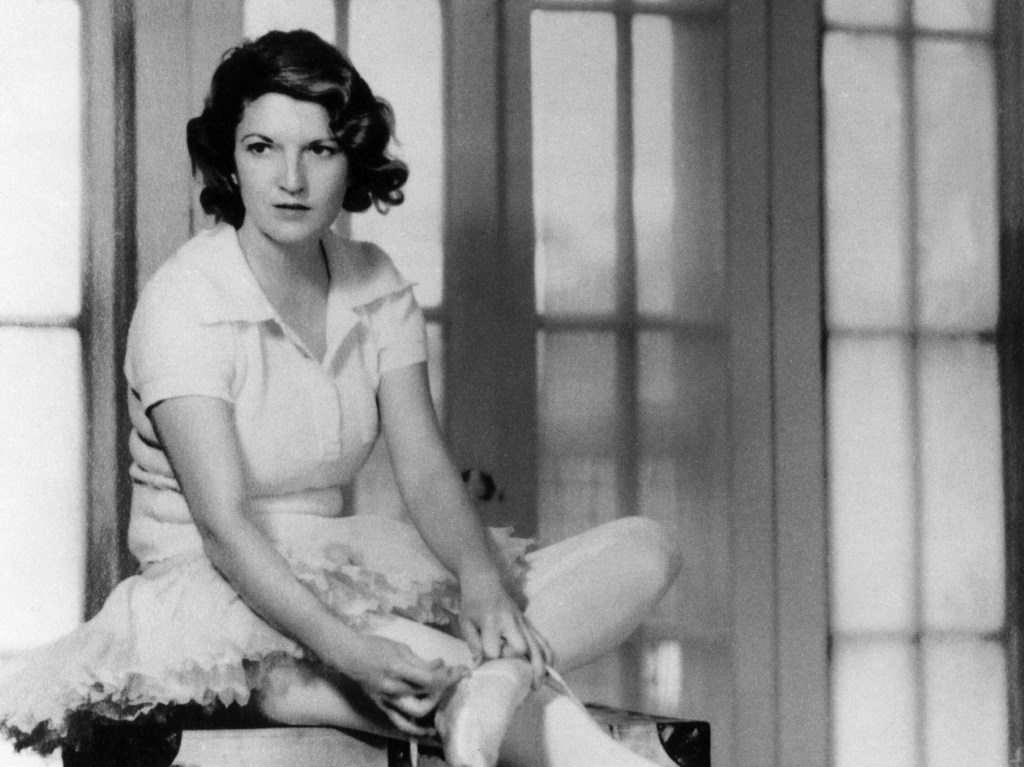
Ever since reading The Great Gatsby in high school and delving into the Fitzgeralds, I’ve been an admirer of all things Zelda. Her story is wonderful and beautiful and glamourous and incredibly tragic. She was gorgeous and talented, her writing was overshadowed by her husband’s. He plagiarized her diary in The Beautiful and The Damned. We’ll never know how much of his work was taken from her writing or lines she had written.
Zelda Sayer Fitzgerald was noted for her beauty and high spirits, and was dubbed by her husband F. Scott Fitzgerald as “the first American flapper”. She and Scott became emblems of the Jazz Age, for which they are still celebrated. The immediate success of Scott’s first novel, This Side of Paradise (1920), brought them into contact with high society, but their marriage was plagued by wild drinking, infidelity and bitter recriminations. Ernest Hemingway, whom Fitzgerald disliked, blamed her for Scott’s declining literary output. After being diagnosed with schizophrenia, she was increasingly confined to specialist clinics, and the couple were living apart when Scott died suddenly in 1940. Fitzgerald died over seven years later in a fire at the hospital in Asheville, North Carolina, in which she was a patient. (Wikipedia)
It is said that Zelda was bright, but uninterested in her lessons. Her work in ballet continued into high school, where she had an active social life. She drank, smoked and spent much of her time with boys, and she remained a leader in the local youth social scene. A newspaper article about one of her dance performances quoted her as saying that she cared only about “boys and swimming”. She developed an appetite for attention, actively seeking to flout convention—whether by dancing or by wearing a tight, flesh-colored bathing suit to fuel rumors that she swam nude. Her father’s reputation was something of a safety net (being an Alabama Supreme Court justice), preventing her social ruin, but Southern women of the time were expected to be delicate, docile and accommodating. Consequently, Fitzgerald‘s antics were shocking to many of those around her, and she became—along with her childhood friend and future Hollywood starlet Tallulah Bankhead—a mainstay of Montgomery gossip. Her ethos was encapsulated beneath her high-school graduation photo:
Why should all life be work, when we all can borrow? Let’s think only of today, and not worry about tomorrow.
Zelda Sayre first met the future novelist F. Scott Fitzgerald in July 1918, after he had volunteered for the army, and was stationed at Camp Sheridan, outside Montgomery. Scott began to call her daily, and came into Montgomery on his free days. He talked of his plans to be famous, and sent her a chapter of a book he was writing. He was so taken with Zelda Sayre that he redrafted the character of Rosalind Connage in This Side of Paradise to resemble her. The fell in love, but she refused to marry him until his book was published. This Side of Paradise was published on March 26 and on April 3, 1920, before a small wedding party in St. Patrick’s Cathedral Zelda and F. Scott were married. A year later, their only child Frances “Scottie” Fitzgerald was born. When Scottie was three they left for Paris and became part of the creative ex-patriate scene.
Zelda had affairs in Paris and asked for a divorce, which F. Scott did not agree to. They lived together and apart as he wrote and she wrote and she partied hard. She had started writing professionally for magazines in New York after F. Scott was published. Their relationship was in no way healthy.
Zelda became obsessed with ballet in the summer of 1925 when she began lessons in Paris with the great Russian ballerina Lubov Egorova. when she started something she went full-tilt into it. She was talented, but her instructor told F. Scott she would never become a top ballerina because she started too late. From The New Yorker: “I’ll tell you about my mother,” Lanahan said of Zelda and Scott’s only child, Scottie Fitzgerald. “She felt her mother’s curse was that she had so much talent it was hard for her to focus on one.”
In April 1930, Fitzgerald was admitted to a sanatorium in France where, after months of observation and treatment and a consultation with one of Europe’s leading psychiatrists, Doctor Eugen Bleuler, she was diagnosed as a schizophrenic. In later years, Zelda is considered to have had bipolar disorder. That’s one commonality I have with Zelda. I love her writing and her quotes; I only wish there had been more knowledge about mental illness and medication available in Zelda’s day because I can only imagine how much work she could have published in her career.
Talent can be a blessing and a curse.
 kerryfaler.blog